 Reviews


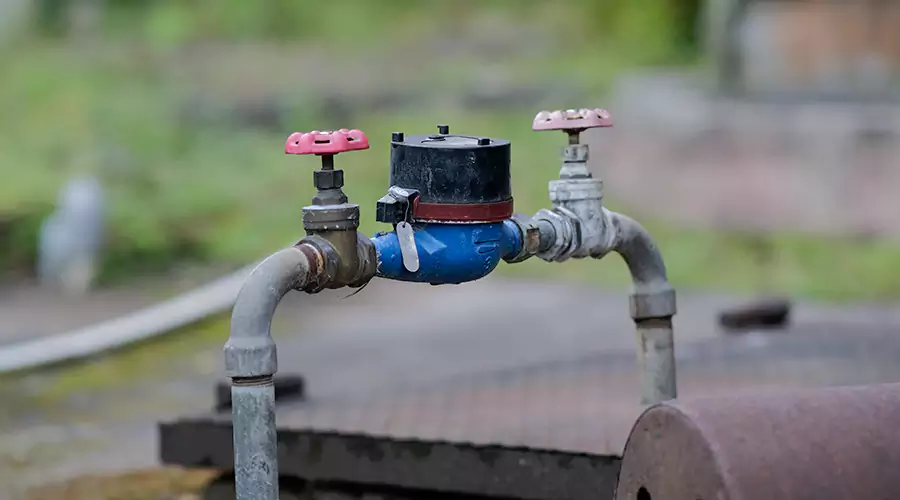
Knowing exactly how to shut off water to your house is one of the most valuable skills any homeowner can have. Finding your shut-off valve before an emergency happens is the difference between a minor inconvenience and a major disaster.
Why Every Homeowner Needs to Know This?
Most people only think about their water supply when something goes wrong. By that point, water is already spreading across the floor and panic sets in fast.
Shutting off the water supply quickly stops the damage at the source. Whether you are dealing with a burst pipe, a plumbing repair, or a leaking appliance, knowing where your shut-off valves are and how to use them puts you in control of the situation immediately.
Every adult in your household should know where the main water shut-off valve is located and how to turn it off.
Two Types of Water Shut-Off Valves in Your Home
Understanding the difference between individual fixture valves and the main shut-off valve helps you choose the right one for the situation.
Individual Fixture Shut-Off Valves
Every plumbing fixture in your home has its own dedicated shut-off valve located nearby. These small valves control water flow to a single fixture without affecting the rest of the house.
Common locations include:
- Under the kitchen sink for the faucet and dishwasher supply line
- Under bathroom sinks behind or beside the pipe connections
- Behind the toilet at the base of the wall
- Behind the washing machine on the supply hose connections
- Near the water heater on both the cold supply and hot outlet lines
Turning off an individual fixture valve is the right move when the problem is isolated to one specific area. Replacing a faucet, fixing a running toilet, or repairing a supply line connection only requires shutting off that fixture rather than the entire house.
The Main Water Shut-Off Valve
Shutting off the main valve cuts water supply to every fixture, pipe, and appliance in the entire home at once. This is the valve you reach for during a serious emergency or when a leak source is unknown.
Locating it before an emergency occurs is essential. Searching for it while water pours across your floor adds stressful minutes to an already chaotic situation.
Where to Find Your Main Water Shut-Off Valve?
Inside the Home
Most main shut-off valves sit along the perimeter walls of the home, typically on the side facing the street. Common indoor locations include:
Basement or crawl space: Check along the front wall closest to the street. Pipes entering the home from underground usually come through this wall, and the shut-off valve sits nearby.
Utility room or mechanical room: Water heaters, furnaces, and main supply lines often share the same utility space. Checking this room first makes sense in homes without a basement.
Under the kitchen sink: Smaller homes and apartments sometimes place the main valve in this cabinet rather than in a dedicated utility area.
Garage: Properties in warmer climates often run supply lines through the garage wall, and the main valve sits along that interior wall.
Outside the Home
Every property also has an outdoor shut-off valve controlled by the water utility company. This valve sits inside a covered box buried near the street, called a water meter box or curb stop.
Opening the lid with a flathead screwdriver reveals the meter and a valve beside it. Turning this valve off requires a special tool called a meter key or curb key, available at most hardware stores for around $10 to $20.
Using the outdoor curb stop is the right move when the indoor main valve is inaccessible, broken, or unable to stop the flow completely.
How to Turn Off Your Main Water Shut-Off Valve?
Once you locate the main valve, the method of shutting it off depends on the valve type installed in your home.
Gate Valve
Gate valves are common in older homes. Recognizing one is straightforward because it has a round, wheel-shaped handle similar to an outdoor spigot.
Turning this handle clockwise slowly stops water flow. Gate valves sometimes require multiple full rotations before water stops completely, so keep turning until the handle will not move any further.
Gate valves wear out over time and can become difficult to operate after years of sitting in the same position. If yours feels stiff or refuses to turn, avoid forcing it and contact a plumber to service or replace it.
Ball Valve
Ball valves appear in newer homes and are far more reliable for emergency use. Identifying one is easy because it has a straight lever handle rather than a round wheel.
Rotating the lever a quarter turn so it sits perpendicular to the pipe shuts off the water completely. A quarter turn in the opposite direction restores full flow. Ball valves operate quickly and reliably even after years of sitting unused, making them the preferred choice in modern plumbing installations.
How to Shut Off Water to Individual Fixtures?
Targeting a specific fixture saves time and keeps the rest of your home fully functional during a repair.
Toilet
Reaching behind or beside the toilet reveals a small oval or football-shaped valve on the supply line running to the base of the wall. Turning this valve clockwise stops water flow to the toilet tank without affecting any other fixture in the bathroom.
Sink
Looking under the sink cabinet reveals two supply lines running up from the floor or wall. Each line has a small valve where it connects to the wall. Turning the right valve controls the cold supply and turning the left controls the hot. Closing both before any faucet repair keeps the workspace dry.
Water Heater
Locating the cold water supply line running into the top of the water heater reveals a dedicated shut-off valve on that line. Turning it off stops water from entering the unit, allowing safe access for maintenance, repairs, or full replacement.
Washing Machine
Pulling the washing machine slightly away from the wall exposes two hose connections on the supply valves behind it. Turning both valves clockwise stops hot and cold water flow to the appliance separately from the rest of the house.
What to Do After Shutting Off the Water?
Turning off the main valve stops new water from entering the system, but water already sitting in the pipes will drain out when fixtures are opened. Running through these steps after shutting off the main supply keeps things clean and safe.
Open a faucet on the lowest level of the home to drain remaining water from the pipes downward. This relieves pressure in the system and empties supply lines before any repair work begins.
Turn off the water heater if the main supply will be off for more than a couple of hours. Running a water heater without a water supply damages the heating element and can create dangerous pressure inside the tank.
Take photos of any visible damage before beginning cleanup or repairs. Documenting the situation clearly supports any insurance claim you may need to file afterward.
Contact a licensed plumber if the shut-off was necessary because of a burst pipe, major leak, or plumbing failure. Stopping the water is the first step, but identifying and repairing the source of the problem requires professional expertise.
Preparing Your Household Before an Emergency Happens
Taking a few simple steps now makes a real difference when an emergency strikes.
Walk through your home and locate every individual fixture valve. Confirm each one turns smoothly and actually stops water flow when closed. Stiff or leaking valves need attention before an emergency creates urgency, and regular drain cleaning can also help prevent unexpected plumbing issues.
Label the main shut-off valve clearly so every family member can find it without searching. A simple tag or piece of tape with the words "main water shut-off" removes all guesswork during a stressful moment.
Store a meter key near the main valve or in a visible spot so the outdoor curb stop is always accessible when needed.
Testing the main valve once a year by turning it off and back on keeps it operating smoothly and confirms it will work when it matters most.
When the Main Valve Will Not Shut Off?
Occasionally, a main shut-off valve that has sat untouched for many years seizes up or fails to stop water flow completely. Forcing a stuck valve risks breaking it and making the situation significantly worse.
Using the outdoor curb stop as a backup buys time while a plumber addresses the faulty indoor valve. Calling a licensed plumber immediately is the right move when the main valve is unresponsive, visibly corroded, or leaking around the handle itself.
Replacing a failing main shut-off valve with a modern ball valve is a straightforward job for a professional plumber and gives you a reliable emergency shutoff for many years ahead.
Summary
Knowing how to shut off water to your house is one of the simplest and most important things any homeowner can do. Finding your main shut-off valve, understanding whether it is a gate valve or ball valve, and confirming every fixture valve in your home works correctly takes about 30 minutes on a quiet afternoon.
Spending that time now means that when a pipe bursts, a toilet overflows, or a supply line fails, you act immediately with confidence instead of searching helplessly while water spreads across your floor.
Walking every adult in your household through the location of the main valve and the individual fixture valves is just as important as knowing it yourself. Preparation costs nothing and protects everything.